Grow Food All Winter
Most gardeners pack up in fall, but winter does not have to end your harvest. With the right techniques, you can grow fresh food through the coldest months.
Best Winter Crops
Cold-hardy greens: Kale, spinach, arugula, and mache survive freezing temperatures. Kale actually tastes sweeter after frost, as the cold converts starches to sugars.
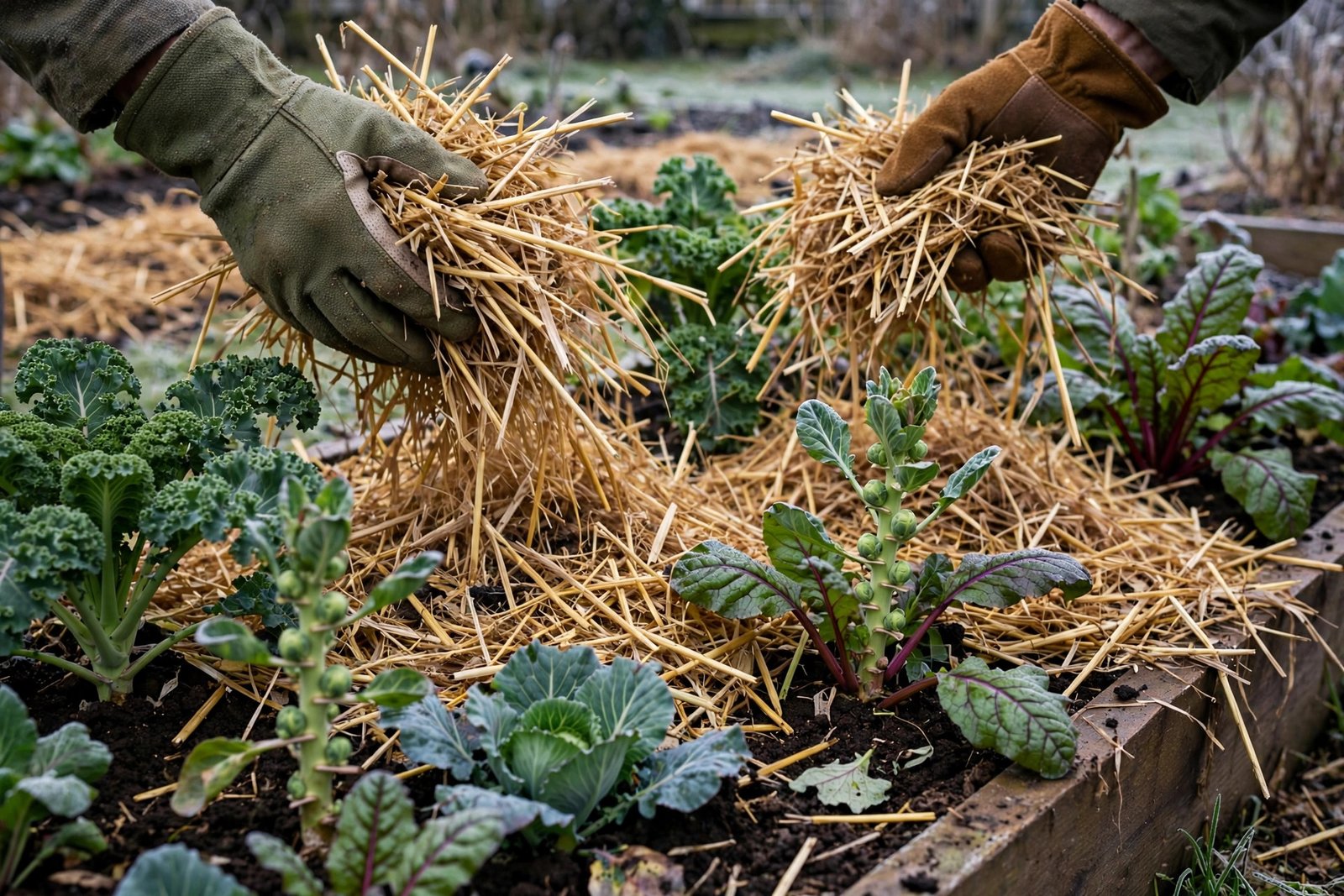
Root vegetables: Carrots, parsnips, and leeks can stay in the ground all winter under mulch. Dig them as needed.
Garlic: Plant cloves in fall for a summer harvest. Garlic needs the cold period to form proper bulbs.
Season Extension Tools
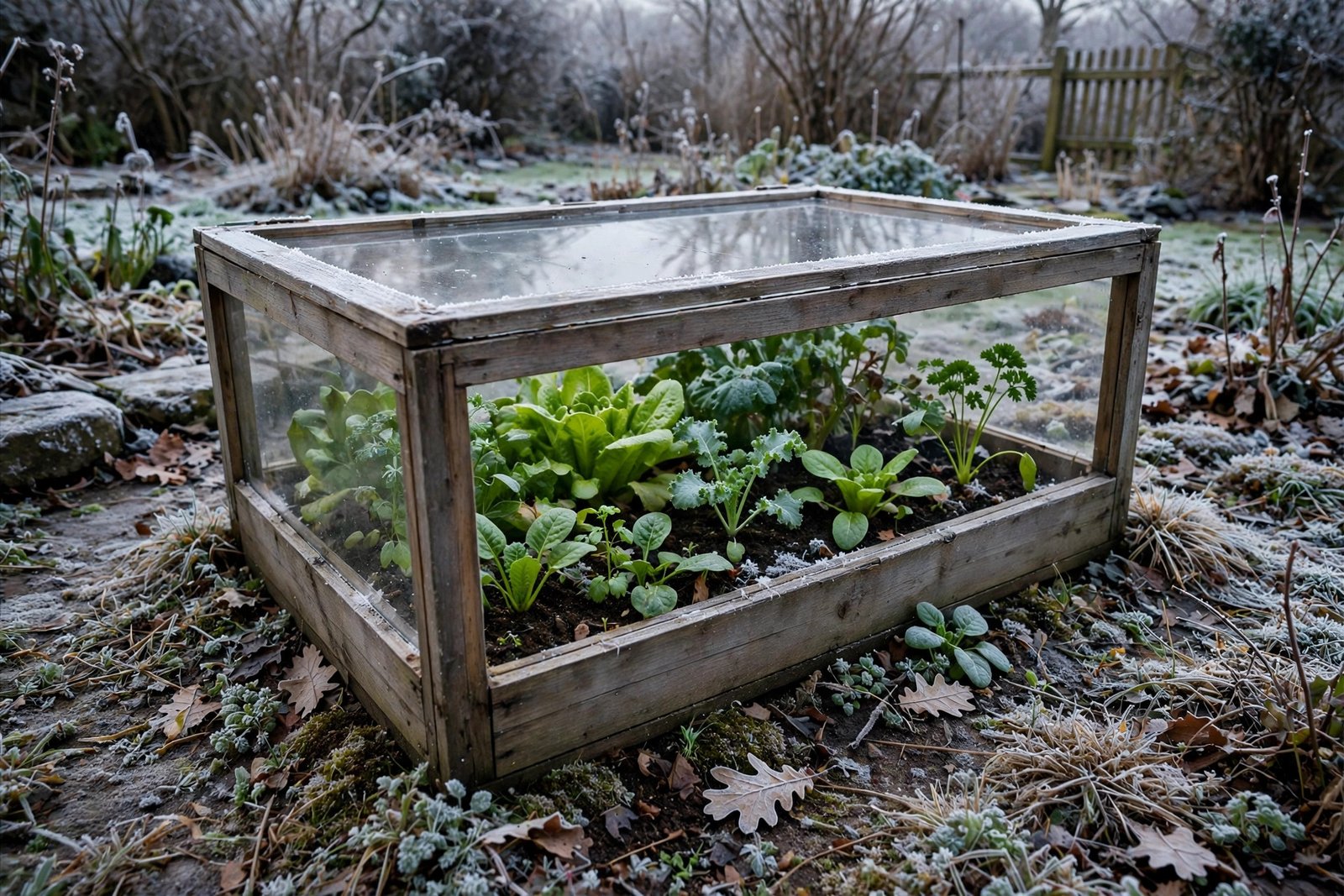
Cold frames: A simple box with a transparent lid creates a mini-greenhouse. Cold frames can keep greens growing through winter in most climates.
Row covers: Lightweight fabric draped over crops adds several degrees of protection. Heavy-weight covers protect down to the low 20s Fahrenheit.
Hoop houses: Plastic sheeting over wire hoops creates a tunnel that extends your season by months.
Timing Matters
Plant fall crops 6 to 8 weeks before your first frost date. Growth slows dramatically as days shorten, so plants need to reach near-mature size before the coldest weather hits.
Mulch Heavily
A thick layer of straw or leaves insulates soil and protects roots. Mulch after the ground freezes to keep it frozen, preventing freeze-thaw cycles that heave plants out of the ground.
Winter gardening takes some planning, but biting into a fresh-picked carrot in January makes it all worthwhile.